

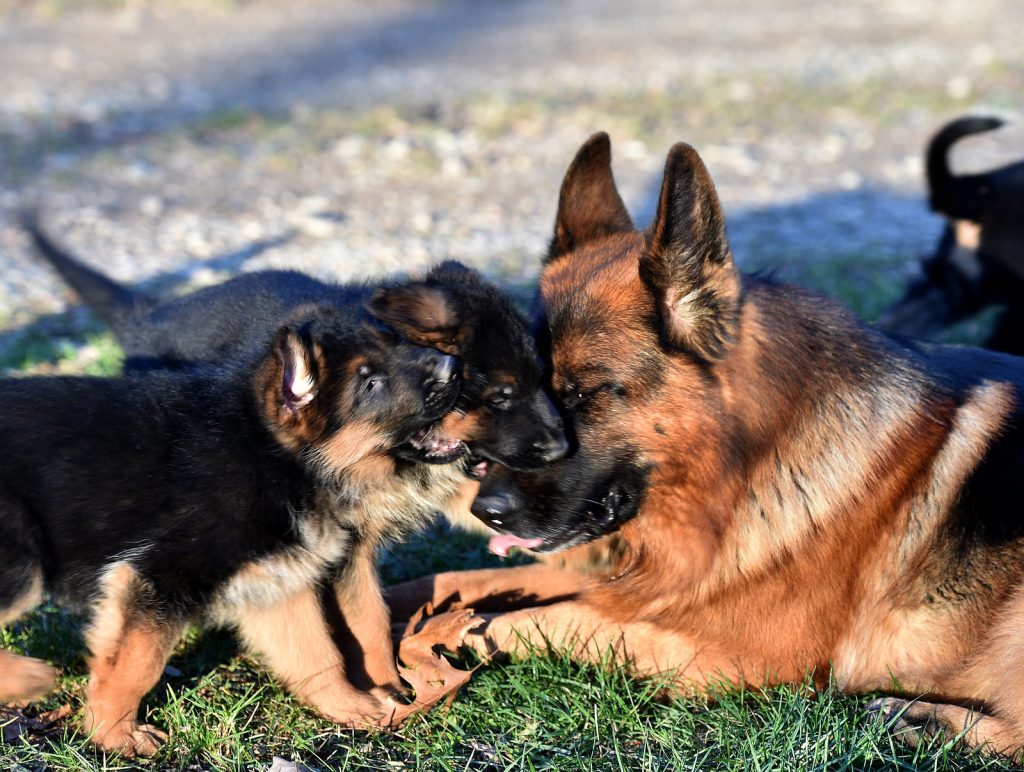
Entzückende Schäferhund Welpen
Add a review FollowOverview
-
Founded Date September 13, 1998
-
Sectors Marketing
-
Posted Jobs 0
-
Viewed 48

Company Description
10 Quick Tips For German Shepherd Life Expectancy
 Health Issues That Affect German Shepherd Life Expectancy
German Shepherds reach their peak between ages 2 and 6. The German Shepherd is at its best in terms of physical and mental agility.
Their size makes them at a higher risk of developing cancer, muscular and skeletal issues, as well as other health issues that could have a negative impact on their lives.
Working line German Shepherds often have a more active lifestyle than their show line counterparts. They need a diet rich in nutrients to support their high levels of activity and exercise.
Cushing’s Disease
German Shepherds are susceptible to several health conditions, including hip dysplasia, elbow dysplasia, degenerative myelopathy, and Cushing’s disease. Understanding these ailments and taking the correct steps to prevent or treat them can allow your dog to live longer. Regular visits to the vet, good nutrition, and regular exercise can keep this large breed in good health.
Cushing’s disease (hyperadrenocorticism) occurs when a pet’s body produces too much cortisol, a natural steroid. A tumor of the pituitary or adrenal glands is the most common cause of the condition. In between 80% and 85% of cases, the tumor is located on the pituitary gland, a small organ that is located close to the base of the brain. In about 15 percent of cases the tumor is located on one of the adrenal glands which are located on the top of the kidneys.
If a pet is suffering from Cushing’s disease, it becomes more active and eats more frequently than usual. The condition can also cause increased thirst and the need to urinate. This means that the pet needs to drink more fluids, and also go outside for toilet breaks more often. Hair loss, a pot-bellied appearance, and a lack of energy are also signs of the disease.
A veterinarian can diagnose this disorder by drawing blood and performing the adrenocorticotropic hormonal stimulation test. This test involves injecting the patient with ACTH and analyzing the adrenal response. The results will show the degree to which his cortisol levels are.
If a dog is diagnosed with Cushing’s disease, he will require medication for the rest of his life. The medication will help control his symptoms and slow the growth of the tumor. If they are properly monitored and treated, most dogs suffering from this condition can have normal lives. However, the condition can be fatal if not detected and treated in the early stages.
Epilepsy
German Shepherds who are correctly diagnosed and treated for epilepsy could remain healthy and enjoy a full and happy life. However, a dog that suffers from uncontrolled seizures may be killed due to oxygen deficiency or injury in the course of a seizure. Epilepsy that is not treated properly can lead to depression, or the inability to eat and drink.
The way the owner manages the situation can have an impact on the effects of epilepsy on German Shepherds. An owner who can closely monitor the dog’s medication, devise appropriate strategies for managing seizures and establish a solid support system is more likely to extend their pet’s lifespan.
As with all breeds of dog, German Shepherds are prone to suffering from dental diseases. Left untreated, this problem can cause severe damage to teeth and gums and may cause infections in other areas of the body, including the kidneys, liver and heart. Regular dental visits for dogs can decrease the risk of this problem.
The chests that are deep in the Shepherd breed make them more susceptible to bloating. This stomach-related disorder can be deadly when the intestines turn and fill with gas, severing blood flow to the stomach and the spleen. If not addressed immediately, this condition can be fatal in less than half an hour. If your Shepherd is showing signs of bloat such as retching, heaving, or an enlarged stomach, or is in a prayer position (front feet are down, the rear is up), you should bring them to an emergency vet as soon as you notice.
German Shepherds who experience bloat are at a greater chance of developing hip dysplasia and degenerative myelopathy than other breeds. It is essential to stay on top of your dog’s medical treatment and preventative measures.
Elbow Dysplasia
The elbow is a hinge between the humerus, (the long bone in the upper forelimb) as well as the radius and ulna, (the two bones of the lower forelimb). The three bones need to be perfectly aligned to allow for continuous movement. When they do not, a condition known as elbow dysplasia is created. It’s the most frequent cause of lameness in front legs (limping) in dogs.
In some cases the cartilage between the bones may be damaged which can cause pain, swelling and lameness. This damage is not reversible and early diagnosis and treatment are crucial.
The first indications of the disease in dogs are a slight or intermittent limp, especially after exercise or after getting up from a sitting position. As the disease progresses, a dog’s range-of-motion in the elbow decreases. There may be fluid in the joint.
There are three main types of elbow dysplasia. Fragmented Coronoid Process, Osteochondrosis of the Humeral Condyle, and Ununited Anconeal Process. Each of these conditions has its own distinct appearance on x-rays and may be seen in one or both elbows.
Currently, the best way to prevent this issue is to test breeding animals for elbow and hip issues. But, despite screenings these diseases can still be present. Breeding only with dogs whose elbows have been proven to be healthy is the most effective strategy. This will ensure that the genes for elbow dysplasia are not passed to offspring.
Degenerative Myelopathy
Degenerative Myelopathy is a neurological disease that slowly affects the spinal cord of German Shepherd dogs and causes weakness in the hind legs. The symptoms of DM generally manifest in older dogs and may become paralyzed. The condition is believed to be a canine form of Lou Gehrig’s disease (amyotrophic lateral-sclerosis). Despite being genetically predisposed to this condition, it’s unclear why some dogs develop the disease whereas others don’t.
Unfortunately there is no cure for DM. Symptoms may be managed by medication, but the disease is progressive and eventually causes paralysis of the forelimbs, too. Certain dogs can live for many months or years with a high quality of life. However, it is typical for owners to choose to kill their pet if they are in a position to walk or stand on its own.
To determine if you have DM to diagnose it, your doctor will conduct a thorough medical history and conduct an examination of the brain. The neurologist will check for other diseases that show similar clinical signs and take blood samples to check for the genetic mutation that is associated with this disorder. A sample of cerebrospinal fluid will also be taken to permit analysis and exclude other diseases. The neurologists may suggest MRI imaging through our advanced diagnostic imaging service. This will enable your vet to pinpoint the areas of the spinal cord that are affected by DM and track the progression of the disease over time. Additionally, physical rehabilitation therapy is frequently beneficial for DM patients and can help slow the progression of the disease.
Intervertebral Disc Disease
German Shepherds are susceptible to health problems that can affect their life expectancy. Recognizing these conditions and understanding how they affect your dog can aid you in taking preventative steps that will prolong their lives.
Intervertebral Disc Disease occurs when the “doughnut” of the spinal disc doesn’t remain in its correct position. Each disk is made of a fibrous outer ring called an annulus fibrosus, as well as an inner nucleus pulposus that is not compressible that absorbs impact. When herniated, the softer nucleus may strike the spinal cord with great force and cause severe pain, weakness, or paralysis. IVDD is a degenerative disease however, sudden trauma can trigger herniation.
Type I IVDD is characterized by a sudden rupture into the spinal canal of the nucleus of the disc. This can cause intense pain in the back arching back, EntzüCkendescäFerhundwelpen a weakness of the limbs in the rear and lameness of the hind limbs. This condition can also result in weakness, incontinence and incoordination. If the spinal cord becomes compressed and dies then your dog will become completely paralyzed. They may not even be able to move their rear legs.
Type II IVDD typically occurs in dogs that are older. It’s a result of normal “wear and tear” which results in the weakened annulus fibers swelling with fluid, which leads to herniation and compression of the spinal cord. Unlike Type I IVDD, this form isn’t caused by trauma or intense exercise. It is characterized by a refusal to turn the head and an arched back and a walk that appears weak or wobbly on the rear leg.
