

Fridges & Freezers
Add a review FollowOverview
-
Founded Date May 31, 1933
-
Sectors Consultant/Contract
-
Posted Jobs 0
-
Viewed 5

Company Description
It’s Time To Expand Your Buy A Fridge Options
A Comprehensive Guide to Buying a Fridge: Choosing the Right One for Your Home
Purchasing a refrigerator is a significant financial investment in any household. With a myriad of models, features, and cost points readily available, it can be challenging to figure out which fridge Freezers near me is the very best fit for your requirements. This guide will assist potential buyers navigate the basics of picking a refrigerator that complements their lifestyle, budget, and kitchen area aesthetics.
Comprehending the Different Types of Refrigerators
Refrigerators can be found in several styles, each with its own set of benefits and disadvantages. Below is a description of the most common kinds of fridges available:

| Refrigerator Type | Description | Pros | Cons |
|---|---|---|---|
| Top Freezer | Timeless design with the freezer on top. | Affordable, simple access to fresh food. | Requires bending down for freezer gain access to. |
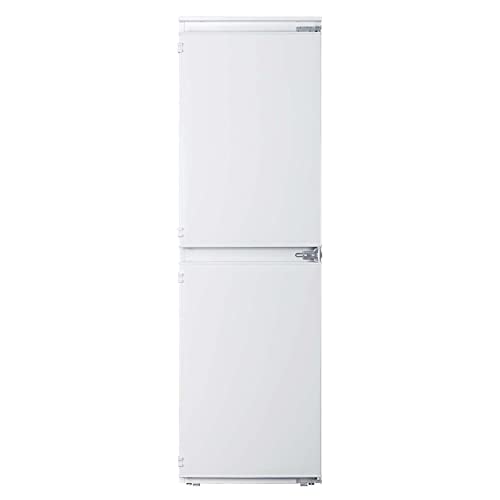
| Bottom Freezer | Freezer situated at the bottom for simple access to everyday products. | Easier for fresh food. | May overcrowd the bottom drawer. |
| Side-by-Side | Freezer and refrigerator compartments next to each other. | Easier access to items; appropriate for narrow spaces. | Freezer may be smaller than in other styles; less storage for big items. |
| ** French Door ** | Two doors for the fridge and pull-out freezer drawer. | Stylish, sufficient space, flexible storage. | Frequently more expensive; may require more space. |
| Compact | Smaller sized fridges developed for restricted spaces. | Perfect for dormitories or workplaces; energy-efficient. | Restricted storage capability. |
Key Features to Consider
When choosing a refrigerator, several functions can impact functionality and effectiveness. Here are some vital to think about:
-
Size and Capacity
- Measure the area where the fridge will sit. Make certain to account for door clearance and how far the fridge will extend away from the wall.
-
Energy Efficiency
- Try To Find Energy Star rated home appliances. These fridges utilize less energy, which equates to reduce energy costs.
-
Cooling Technology
- Some fridges include innovative cooling innovations like multi-zone cooling or inverter compressors that can keep constant temperature levels.
-
Storage Options
- Adjustable shelves, crisper drawers, and door bins can make it simpler to organize groceries.
-
End up and Style
- Stainless steel, matte black, or dynamic colors offer various aesthetic alternatives that can either blend in or stand apart in your kitchen.
-
Smart Features
- Many contemporary fridges come geared up with Wi-Fi connectivity, allowing users to control settings via smartphone apps or incorporate with home assistants.
Budgeting for Your Fridge
Refrigerator costs can differ substantially based upon brand name, design, and functions. Here’s a general breakdown to assist you understand what to expect:
| Refrigerator Type | Cost Range |
|---|---|
| Top Freezer | ₤ 400 – ₤ 1,000 |
| Bottom Freezer | ₤ 700 – ₤ 2,000 |
| Side-by-Side | ₤ 600 – ₤ 2,500 |
| French Door | ₤ 1,500 – ₤ 3,500+ |
| Compact | ₤ 150 – ₤ 600 |
Tips for Buying a Refrigerator
- Research study Models: Read reviews and compare various brand names and models to find the most trusted choices.
- Examine for Sales: Seasonal sales, especially around holidays, can offer significant cost savings.
- Delivery and Installation: Factor in additional expenses for shipment and setup, specifically if your new fridge requires special handling.
- Service Warranty and Service Plans: Opt for models with great warranties and think about acquiring a prolonged service prepare for peace of mind.
Regularly Asked Questions
-
What size refrigerator do I need?
- The size of the fridge depends on your family size and your cooking practices. A general guideline has to do with 4-6 cubic feet of capability per person.
-
Is it worth investing in a higher-end fridge?
- Higher-end designs often have much better energy performance, advanced features, and boosted toughness. Consider your spending plan and how typically you utilize your refrigerator.
-
For how long do refrigerators usually last?
- A well-maintained refrigerator can last anywhere from 10 to twenty years. Regular upkeep can extend the life-span.
-
What are some energy-saving tips for my fridge?
- Keep the door closed, set the temperature between 35 ° F and 38 ° F, routinely tidy the coils, and guarantee an excellent seal on the door.
-
Do I need to clean my fridge regularly?
- Yes, routine cleansing helps maintain hygiene, avoids smells, and can improve the performance of your refrigerator.
Buying a refrigerator does not have to be frustrating. By understanding the different types, crucial functions, and rate varieties, possible buyers can make an educated decision that fits their personal or household requirements. With the included benefit of innovative technology and energy-saving alternatives, it’s easy to find a refrigerator that suits both lifestyle and budget.
Whether you prioritize a particular design, energy effectiveness, or storage capacity, this guide works as a roadmap to help anybody embark on this important purchase with self-confidence. Happy fridge shopping!
