

Hobs With Oven
Add a review FollowOverview
-
Founded Date April 24, 1903
-
Sectors Marketing
-
Posted Jobs 0
-
Viewed 2

Company Description
How To Choose The Right Hob And Oven On The Internet
Understanding Hobs and Ovens: The Essential Kitchen Appliances
In the world of kitchen home appliances, few products are as vital as hobs and ovens. These home appliances form the foundation of culinary activities, making it possible for people to create whatever from basic meals to elaborate feasts. Understanding the distinctions, types, and functionalities of hobs and ovens can considerably improve one’s cooking experience. This post looks into the complexities of hobs and ovens, providing insights that deal with both novice and skilled cooks.
What Is a Hob?
A hob, typically referred to as a cooktop or stove top, is the flat surface on which pots and pans are put for cooking. Hobs are equipped with heating components that produce the required heat for cooking food. They are available in various types, consisting of gas, electric, induction, and ceramic alternatives. Each type offers distinct advantages and drawbacks.
Types of Hobs
-
Gas Hobs:
- Heat Source: Natural gas or lp.
- Advantages: Instant heat control and responsiveness, preferred by numerous chefs for accurate cooking.
- Disadvantages: Requires a gas connection and can be less energy-efficient.
-
Electric Hobs:
- Heat Source: Electric coils or smooth glass-ceramic surfaces.
- Benefits: Generally simpler to clean, even heating, and widely available.
- Disadvantages: Slower to heat up and cool down compared to gas.
-
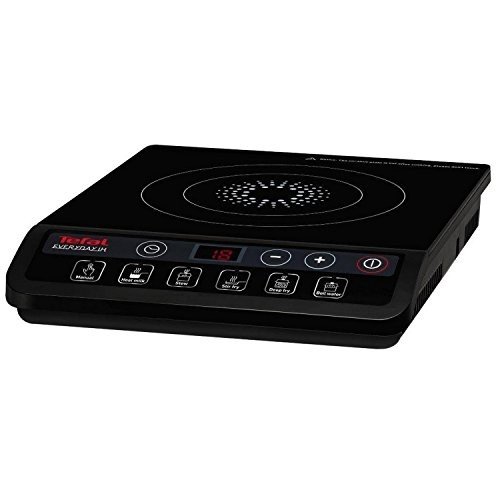
Induction Hobs:
- Heat Source: Electromagnetic currents.
- Advantages: Quick heating, energy-efficient, and only warms the cookware, not the surrounding surface.
- Drawbacks: Requires compatible pots and pans (ferrous products).
-
Ceramic Hobs:
- Heat Source: Electric and has a smooth glass surface.
- Advantages: Sleek appearance, easy to clean, and even heating.
- Disadvantages: Can take longer to warm up and cool down.
What Is an Oven?
An oven is an enclosed appliance that cooks food by surrounding it with dry heat. Ovens can be standalone systems or integrated with hobs in a single home appliance known as a range. Ovens are flexible tools that can be utilized for baking, roasting, broiling, and more.
Types of Ovens
-
Standard Ovens:
- Heat Source: Electric or gas.
- Benefits: Good for standard baking and roasting.
- Drawbacks: Can have unequal heat circulation.
-
Convection Ovens:
- Heat Source: Electric or gas with a fan for flowing air.
- Benefits: More even cooking and faster cooking times due to airflow.
- Drawbacks: Can be more expensive and might require modifications in cooking times.
-
Microwave Ovens:
- Heat Source: Microwaves.
- Benefits: Quick cooking and reheating; terrific for defrosting.
- Downsides: Can not brown or crisp food well.
-
Steam Ovens:
- Heat Source: Steam generation.
- Benefits: Retains nutrients and wetness in food, healthier cooking choice.
- Disadvantages: Longer cooking times and normally greater cost.
Secret Differences Between Hobs and Ovens
While hobs and ovens serve the primary function of cooking food, their performances and uses differ considerably. The following table summarizes these key distinctions:
| Feature | Hob | Oven |
|---|---|---|
| Cooking Method | Direct heat | Enclosed heat |
| Main Use | Boiling, sautéing, frying | Baking, roasting |
| Heat Source | Gas, electric, induction | Gas, electric, steam |
| Cooking Area | Flat surface area | Enclosed space |
| Cooking Time | Normally much faster | Differs based upon dish |
| Control & & Precision | Immediate and direct | Count on settings and timers |
Advantages of Using Hobs and Ovens Together
Integrating using a hob and an oven can greatly boost the cooking process. Here are some advantages:
- Versatility: Different kinds of food can be cooked at the same time.
- Effectiveness: Using both enables various cooking strategies, such as scorching on the hob and baking in the oven.
- Time-Saving: Multi-tasking can significantly decrease overall cooking time.
Maintenance and Care
To ensure the longevity of hobs and ovens, regular upkeep is important. Here are some pointers:
For Hobs:
- Clean spills immediately to prevent staining.
- Usage appropriate cleaners for specific products (e.g., ceramic cleaner for glass-ceramic hobs).
- Frequently check gas connections for leakages (for gas hobs).
For Ovens:
- Wipe down the interior after each use to prevent build-up.
- Usage self-cleaning features if offered, or apply oven cleaners for difficult discolorations.
- Regularly examine seals and gaskets for wear and tear (to maintain heat efficiency).
Frequently asked questions About Hobs and Ovens
1. What is the best kind of hob for a newbie cook?
Answer: A ceramic or electric hob is frequently advised for novices due to relieve of usage and cleansing.
2. Can I use any cookware on an induction hob?
Response: No, induction hobs need cookware made from magnetic materials (e.g., cast iron or stainless steel).
3. How often should I clean my oven?
Answer: It is a good idea to clean your oven every couple of months, or more frequently if you utilize it typically.
4. Is it much better to bake in a stove?
Response: Yes, stoves are often better for baking as they offer even heat circulation. However, some fragile recipes might gain from conventional ovens.
Understanding the functionality and differences between hobs and ovens is essential for any cooking lover. Whether one chooses the immediate heat of a gas hob or the accuracy of an induction cooktop, each type offers special benefits. Likewise, ovens differ extensively in function, from conventional baking to steam cooking. By valuing these home appliances’ roles in cooking, cooks can enhance their cooking abilities and improve their Kitchen appliances activities.

